
# **Tankless vs. Tank Water Heater: Which Energy Efficient Water Heater Is Better for Your Home?**

Choosing the right water heater is crucial for energy efficiency and overall comfort in your home. With the increasing focus on sustainability and energy savings, many homeowners are torn between tankless and traditional tank water heaters. This article explores the key differences between these two types of water heaters, helping you make an informed decision based on your specific needs. We will delve into their operational mechanisms, installation costs, energy efficiency benefits, maintenance tips, environmental impacts, and customer service options. By the end, you will have a comprehensive understanding of which water heater is better suited for your home.
## **What Are the Key Differences Between Tankless and Tank Water Heaters?**
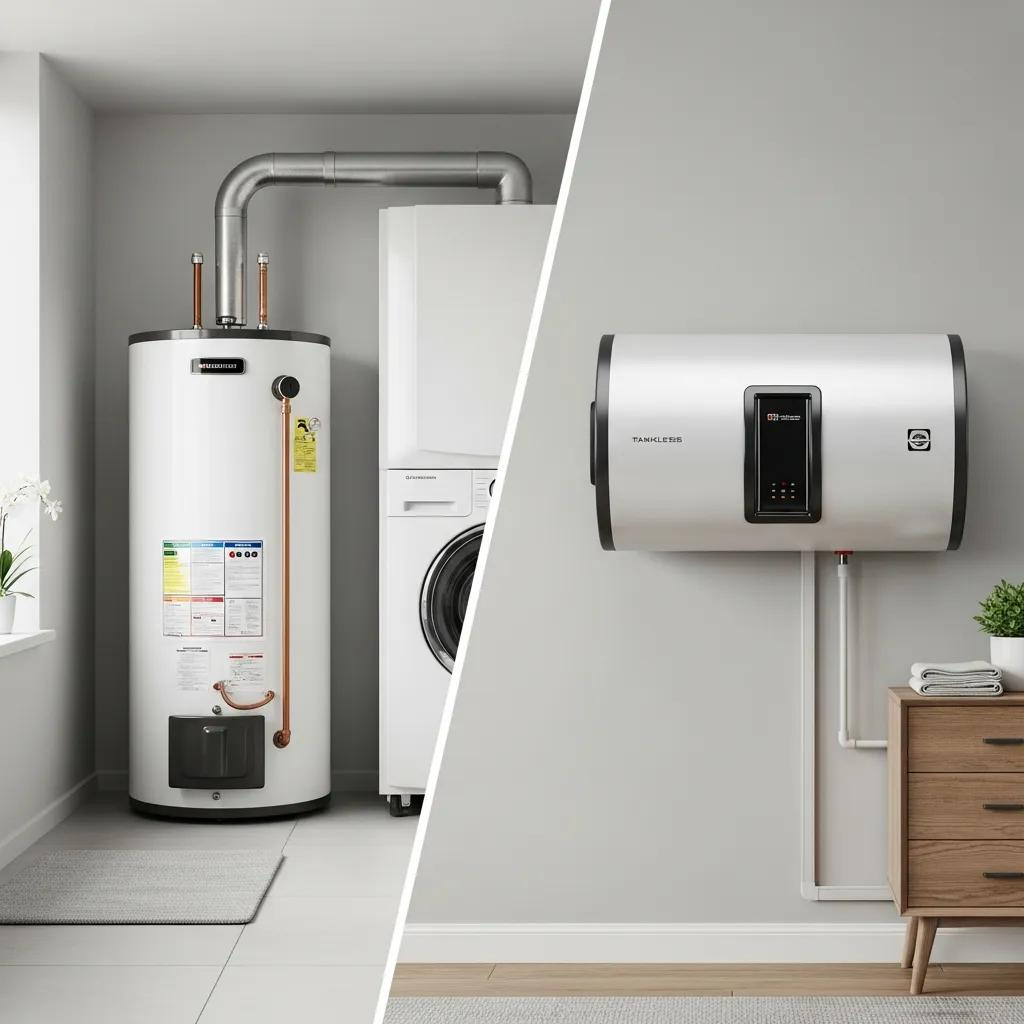
Tankless and tank water heaters serve the same purpose but operate differently. A tank water heater stores a large volume of hot water in a tank, while a tankless water heater heats water on demand, providing a continuous supply without the need for storage. This fundamental difference leads to variations in energy consumption, installation requirements, and overall efficiency. Understanding these differences is essential for selecting the right system for your household.
### **How Do Tankless Water Heaters Work Compared to Traditional Tank Models?**
Tankless water heaters utilize a heat exchanger to warm water as it flows through the unit. When a hot water tap is turned on, cold water travels through the pipe into the unit, where it is heated by either gas burners or electric elements. This process allows for an endless supply of hot water, making it ideal for larger households or homes with high hot water demands. In contrast, traditional tank models rely on a pre-heated reservoir, which can run out of hot water during peak usage times, leading to potential inconveniences. The on-demand heating of tankless units also means less standby energy loss.
### **What Are the Typical Lifespans of Tank vs. Tankless Water Heaters?**
The lifespan of a tank water heater typically ranges from 8 to 12 years, depending on usage and maintenance. In contrast, tankless water heaters can last up to 20 years or more with proper care. Factors such as water quality, frequency of use, and maintenance practices significantly influence the longevity of both types. Regular maintenance, including flushing the tank and checking for sediment buildup, can extend the life of a tank water heater. Tankless units require periodic descaling to maintain efficiency and durability.
## **How Do Installation Costs Compare Between Tankless and Tank Water Heaters?**

Installation costs can vary significantly between tankless and tank water heaters. Generally, tankless models have higher upfront costs due to their complex installation requirements, which may include upgrading gas lines, venting systems, or electrical work. However, the long-term savings on energy bills can offset these initial expenses. It is important to consider both the initial investment and the potential energy savings over time when choosing a system.
### **What Factors Influence Water Heater Installation Costs?**
Several factors can influence the installation costs of water heaters, including the type of water heater, labor costs, and local permitting requirements. Tankless models typically require more extensive installation work, leading to higher costs due to additional venting or electrical upgrades. Labor costs can vary depending on the complexity of the installation and any necessary modifications to existing plumbing or electrical systems. Additionally, local building codes and permit requirements can add to the overall cost of installation, so it is important to factor these into your budget.
### **Are There Financing Options Available for Water Heater Installation?**
Many homeowners may find the initial costs of water heater installation daunting. Fortunately, various financing options are available to help ease the financial burden. Northwind Heating offers flexible [financing plans](/financing) tailored to meet the needs of homeowners looking to upgrade their water heating systems. These options can make it easier to invest in energy-efficient solutions without straining your budget. Exploring financing can help you manage upfront costs while enjoying long-term benefits.
## **What Are the Energy Efficiency Benefits of Tankless Water Heaters?**

Tankless water heaters are often touted for their energy efficiency. By heating water only when needed, they can significantly reduce energy consumption compared to traditional tank models, which continuously heat water to maintain a set temperature. This on-demand heating reduces standby heat loss, which is common in tank systems. As a result, tankless water heaters can contribute to lower utility bills and a more sustainable home.
### **How Much Energy Can You Save with a Tankless Water Heater?**
Switching to a tankless water heater can lead to energy savings of approximately 24% to 34% compared to traditional models for homes that use 41 gallons or less of hot water daily. This reduction in energy use not only lowers utility bills but also contributes to a smaller carbon footprint, making tankless systems an environmentally friendly choice. The exact savings depend on your household's hot water usage and the efficiency of the unit installed.
### **What Rebates and Incentives Are Available for Energy Efficient Water Heaters?**
Homeowners considering a tankless water heater may also benefit from various rebates and incentives aimed at promoting energy efficiency. Many local and federal programs offer financial incentives for upgrading to energy-efficient appliances. Northwind Heating can provide information on available [rebates](/promotions) and help you navigate the application process to maximize your savings. Taking advantage of these programs can reduce the overall cost of your new water heater.
## **What Maintenance Tips Ensure Longevity for Tank and Tankless Water Heaters?**
Proper maintenance is essential for ensuring the longevity and efficiency of both tank and tankless water heaters. Regular servicing can prevent costly repairs and extend the lifespan of your unit. Maintenance routines differ between the two types but are equally important to keep your system running smoothly and efficiently.
### **How Often Should You Service Your Water Heater?**
It is recommended to service your water heater at least once a year. This includes flushing the tank to remove sediment buildup, checking the anode rod, and inspecting for leaks. For tankless models, descaling is crucial to prevent mineral buildup, especially in areas with hard water. Regular maintenance helps maintain efficiency and prevents unexpected breakdowns, saving you money in the long run.
### **What Are Common Repair Issues for Each Water Heater Type?**
Common issues for tank water heaters include leaks, sediment buildup, and heating element failures. These problems can reduce efficiency and lead to costly repairs if not addressed promptly. Tankless water heaters may experience problems such as insufficient hot water supply, error codes, and mineral buildup affecting performance. Regular maintenance can help identify and address these issues before they escalate, ensuring reliable operation.
## **How Do Environmental Impacts Compare Between Tankless and Tank Water Heaters?**
When considering the environmental impact, tankless water heaters generally have a lower carbon footprint compared to traditional tank models. Their energy-efficient operation reduces greenhouse gas emissions, contributing to a more sustainable future. Choosing an energy-efficient water heater is an important step toward reducing your household's environmental impact.
### **Which Water Heater Type Has a Lower Carbon Footprint?**
Tankless water heaters produce fewer emissions due to their on-demand heating capabilities. By consuming less energy, they contribute to a reduction in fossil fuel reliance, making them a more eco-friendly option for homeowners. This makes tankless systems a preferred choice for those looking to minimize their environmental footprint.
### **How Do Energy Efficiency Ratings Affect Environmental Benefits?**
Energy efficiency ratings play a crucial role in determining the environmental benefits of water heaters. Higher-rated models consume less energy, leading to lower emissions and a reduced environmental impact. Homeowners should consider these ratings when selecting a water heater to ensure they are making a sustainable choice. Investing in a high-efficiency model supports both your budget and the planet.
## **What Are the Customer Service and Warranty Options for Tankless vs. Tank Water Heaters?**
Customer service and warranty options can vary significantly between tankless and tank water heaters. Understanding these differences can help you make a more informed decision. Reliable service and strong warranty coverage provide peace of mind and protect your investment over time.
### **What Service Agreements Does Northwind Heating Offer?**
[Northwind Heating](/plans) provides comprehensive service agreements for both tank and tankless water heaters. These agreements include regular maintenance checks, priority service, and discounts on repairs, ensuring that your water heater remains in optimal condition throughout its lifespan. Enrolling in a service agreement can help prevent unexpected issues and extend the life of your system.
### **How Do Warranty Terms Differ Between Water Heater Types?**
Warranty terms can differ between tank and tankless water heaters. Typically, tankless models come with longer warranties, often ranging from 10 to 15 years, while traditional tank models may have warranties of 6 to 12 years. It's essential to review warranty details before making a purchase to understand coverage and limitations. A longer warranty can indicate greater confidence in the product's durability.
## **How Can You Choose the Best Water Heater for Your Specific Needs?**
Selecting the right water heater involves considering various factors, including household size, hot water demand, and energy efficiency preferences. Evaluating these aspects will help you find a system that meets your daily needs while optimizing energy use and cost.
### **What Questions Should You Ask During Expert Consultation?**
When consulting with a professional, consider asking the following questions: What is the expected lifespan of the unit? Understanding the durability helps you plan for long-term investment and replacements. What are the energy efficiency ratings? These ratings indicate potential savings on energy bills and environmental impact. What maintenance is required? Knowing maintenance needs helps prevent costly repairs and extends the life of your water heater. These questions can help you gauge the suitability of a water heater for your home and ensure you make an informed choice.
### **How Do Usage Patterns Influence Water Heater Selection?**
Understanding your household's hot water usage patterns is crucial in selecting the right water heater. For instance, larger families may benefit from the continuous supply of a tankless model, while smaller households might find a tank model sufficient. Assessing your needs will guide you in making the best choice. Considering peak usage times and daily consumption will help determine the appropriate capacity and type of water heater.
## **Where Can You Find Local Rebates and Financing for Water Heaters in 2026?**
Finding local rebates and financing options can significantly reduce the cost of upgrading your water heater. Many programs are available to assist homeowners in making energy-efficient choices. Taking advantage of these opportunities can make investing in a new water heater more affordable and accessible.
### **How to Access Northwind Heating’s Rebate Programs?**
Northwind Heating offers guidance on accessing various rebate programs available in your area. They can help you navigate the application process and ensure you receive the maximum benefits available for your new water heater. Their expertise can simplify the process and help you save money on your purchase.
### **What Financing Plans Are Available for Water Heater Purchases?**
In addition to rebates, Northwind Heating provides flexible financing plans for water heater purchases. These plans are designed to accommodate different budgets, making it easier for homeowners to invest in energy-efficient solutions without financial strain. Financing options can help spread out the cost and make upgrading more manageable.
## **Ready to Upgrade Your Water Heater?**
Choosing the right water heater is an important decision that impacts your home's comfort, energy bills, and environmental footprint. Northwind Heating is here to help you every step of the way, from selecting the perfect system to installation and ongoing maintenance. Take advantage of our expert guidance, rebate programs, and flexible financing options to make your upgrade seamless and affordable.
[Contact Northwind Heating Today.](/contact)
Other Blog Posts
Customer Testimonials
Go With Experience

I cannot recommend this company enough. We were horribly jerked around by Angels Heating and Cooling. Northwind took the time to answer all our questions, we're professional, timely, affordable and sent a great technician to fix our gas fireplace.
We had a duel fuel system installed by Northwind. Our experience from installation to post installation service has been amazing.
Our fireplace had not been working. This was the only company that was willing to come out. Wes the technician was great. Diagnosed the problem and fixed it. Spoke to Deanna on the phone. She has awesome customer service skills. I would use them again and highly recommend them.
A+ Customer Service! We had a minor issue and they stopped by right away. We've used them on residential and commercial buildings and they are always on top of everything. Thank you to Chris as well!
We purchased and had Nothwind install a Valor gas fireplace for us. They did an excellent job. We did have a problem with the remote control that came with the unit but were very happy with the immediate response and repair from Northwind for warranty work.
I’ve been in the construction business for many years and the Northwind HVAC crew for sure rank up there in the number one spot. Without exception, all the work was carried out swftly, with journeyman style and with a friendly contractor/client relationship.
Home
Blogs
Latest Blog Posts