
# **Why Is Your Heating Short Cycling? Causes, Risks, and Practical Fixes for Furnaces, Boilers, and Heat Pumps**

Short cycling happens when a heating system turns on and off repeatedly in short bursts instead of running through a full, steady heat cycle. The result is less comfort, higher energy costs, and extra wear on parts like compressors and ignition components. This guide walks you through common causes of short cycling for furnaces, boilers, and heat pumps, shows what to look for, and lists safe troubleshooting steps homeowners can try. You’ll also find system-specific diagnostics, the risks of leaving short cycling unchecked, and clear guidance on when to call a certified technician. Understanding thermostat settings, airflow, and component issues helps you spot problems early and avoid repeat breakdowns.
## **What Are the Most Common Causes of Heating Short Cycling?**
Short cycling usually traces back to control, airflow, sizing, or component problems that cut runs short and force early shutdowns. A misreading thermostat or incorrect cycle settings can stop heating runs prematurely. Restricted airflow and dirty filters cause overheating and trigger safety limits that shut burners or compressors down. Oversized equipment reaches the setpoint quickly and then cycles off repeatedly. Finally, failed sensors or control parts — like limit switches or flame sensors — force protective shutdowns. The table below pairs common causes with how they create short cycling and quick homeowner checks you can perform.
| Cause | How it causes short cycling | Homeowner sign / quick check |
| --- | --- | --- |
| Faulty thermostat or poor placement | Wrong temperature reading or too-tight cycle settings tell the system to stop early | Move thermostat away from heat sources, set a 2–3°F differential, replace batteries if digital |
| Restricted airflow / dirty filter | Unit overheats, trips high-limit switches or compressor safeties | Inspect and replace the filter, open supply/return vents, feel for weaker airflow |
| Oversized equipment | System heats the space very quickly, then shuts off repeatedly | Watch for very short run times — under 5–7 minutes after startup |
| Sensor or control faults (limit switch, flame sensor) | Safety controls detect a fault and immediately shut the system down | Look for error codes or repeated shutdowns right after ignition |
This quick reference links visible signs to likely causes; the next section walks through thermostat-related checks homeowners can safely do.
### **How Does a Faulty Thermostat Cause Furnace Short Cycling?**

A faulty thermostat can short cycle a furnace when its sensor, wiring, or settings report the wrong temperature or use an overly narrow differential that forces frequent on/off events. The thermostat controls when the furnace runs — if it thinks the room is at the set temperature, it will stop the burner too soon. Simple homeowner checks include ensuring the thermostat isn’t above a heat source, replacing batteries, reviewing the temperature differential, and temporarily using a manual setpoint to time cycle length. Smart thermostats can also behave unexpectedly if adaptive recovery or minimum run-time settings are misconpd, so review those options. If the thermostat reading differs from a handheld thermometer or wiring looks damaged, plan for a replacement or technician calibration.
### **How Do Airflow Issues and Dirty Filters Lead to Short Cycling?**

Restricted airflow from a clogged filter, closed registers, or blocked ducts reduces heat exchange and lets internal temperatures climb quickly, which trips high-limit switches and forces shutdowns. The chain is simple: lower airflow → faster temperature rise → limit trip → short cycle. Check filters monthly during heavy use, inspect return vents for obstructions, and confirm the blower runs when the system is on. A quick test is swapping in a clean filter and seeing whether run times lengthen and comfort improves within a day or two. If replacing the filter and opening vents doesn’t help, the blower or ductwork may need professional attention.
## **How Do Different Heating Systems Experience Short Cycling?**
Each system type short cycles for different reasons, so diagnosis should follow system-specific clues instead of a one-size-fits-all approach. Furnaces involve combustion and flame-sensing controls, boilers use water temperature and zone controls, and heat pumps combine refrigerant dynamics with defrost logic that can look like short cycling. The table below summarizes typical causes and diagnostic cues for each system to help narrow the problem quickly.
| System | Typical causes | Diagnostic cues |
| --- | --- | --- |
| Furnace (forced‑air) | Dirty flame sensor, limit switch trips, thermostat faults, oversized unit | Very short runtimes after ignition, control board error codes, soot or ignition delays |
| Boiler (hydronic) | Short return loops, stuck zone valves, wrong aquastat settings, pressure issues | Quick radiator temp swings, fluctuating pressure, zones heating inconsistently |
| Heat pump | Incorrect refrigerant charge, control board faults, frequent defrosts, outdoor unit blockages | Short outdoor unit runs, rapid starts/stops, loss of heating during frost/defrost cycles |
In short: furnaces usually show ignition or airflow cues, boilers give hydronic signs, and heat pumps present refrigerant or defrost behaviors. The following subsections expand on those patterns and homeowner observations.
### **What Causes Furnace Short Cycling and How Is It Diagnosed?**
Furnace short cycling commonly stems from flame-sensing issues, limit switch trips caused by poor airflow, thermostat problems, or an oversized unit that reaches setpoint too quickly. Start by timing cycle duration — runs under 5–7 minutes generally indicate short cycling. Technicians check flame sensors, ignition sequences, control board error codes, and airflow/filter condition; homeowners can help by recording runtimes and noting odors, soot, or ignition delays. If basic airflow and thermostat checks don’t fix repeated short cycles, a certified technician should perform a [furnace repair](/heating/furnace-repair) and component-level inspection to ensure safe, reliable operation.
### **Why Does Boiler Cycling On and Off Occur?**
Boiler short cycling is often caused by hydronic control issues — misset aquastats, oversized boilers relative to the load, short return water loops that deliver overheated water back to the boiler, or stuck zone valves and circulators. Boilers work by controlling water temperature and pressure rather than air temperature, so aquastat calibration and valve operation are common trouble spots. Homeowners might notice quick temperature swings at radiators or pressure changes on the gauge, which point to zone or control faults. Diagnosing boiler cycling safely usually requires measuring return temperatures, testing zone valves, and verifying aquastat setpoints — tasks best handled by a technician experienced with hydronic systems.
### **What Are Heat Pump Short Cycling Symptoms and Efficiency Concerns?**
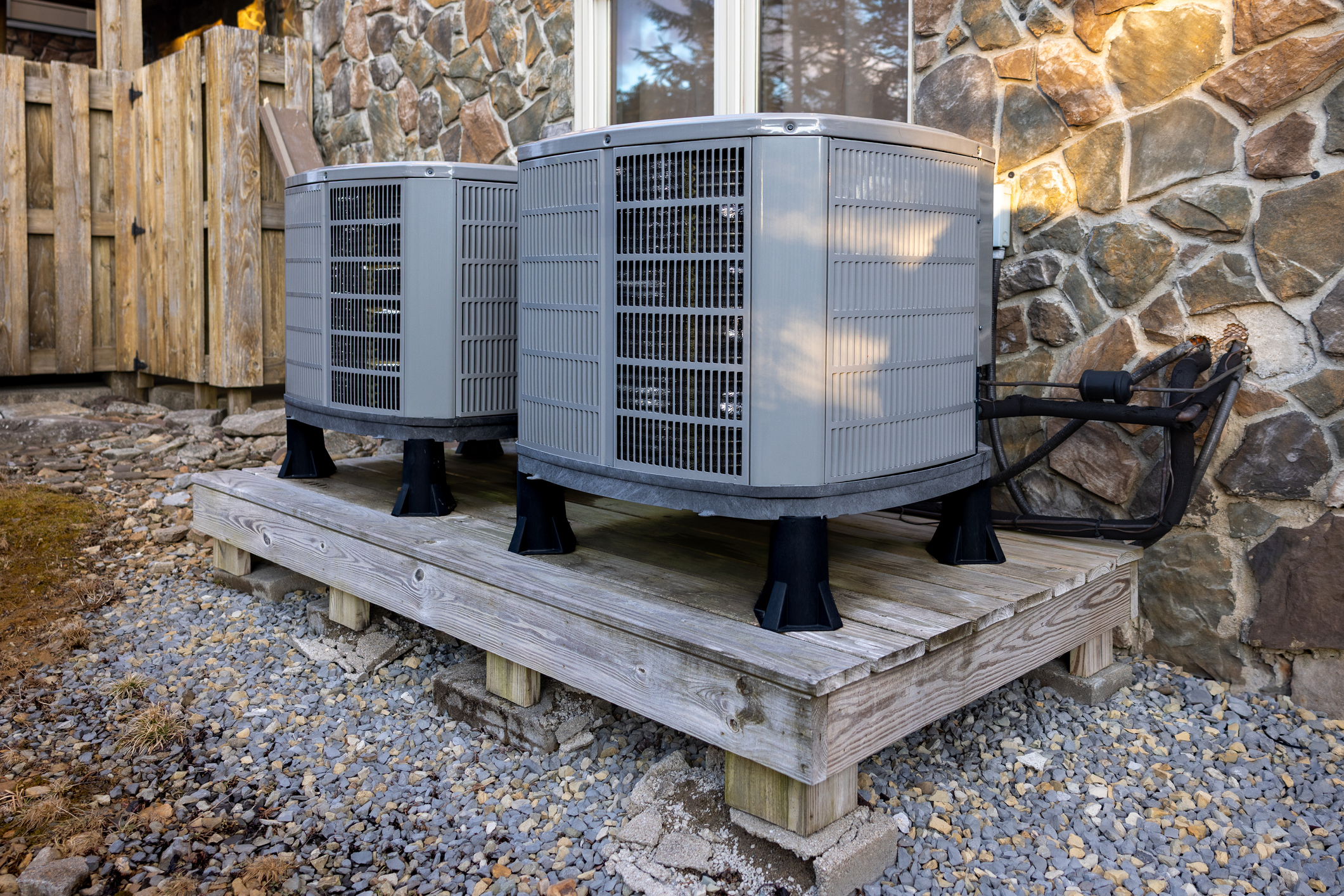
Heat pump short cycling often ties to refrigerant charge problems, compressor protection logic, outdoor unit blockages, or normal defrost cycles that can resemble repeated short runs. Low refrigerant reduces capacity and may trigger protective short runs, while repeated defrosting can make normal operation look like short cycling. Symptoms include short compressor runtimes, frequent audible starts/stops, and a noticeable dip in heating output or efficiency during brief cycles. Diagnosing heat pump cycling needs pressure and temperature measurements and control checks by a professional; homeowners can start by clearing outdoor debris and logging cycle behavior to share with the technician.
## **What Are the Risks and Consequences of Heating System Short Cycling?**
Leaving short cycling unaddressed raises energy use, speeds component wear, shortens system life, and — for combustion appliances — can create safety risks if ignition problems repeat. Each startup carries an energy penalty versus steady operation, so frequent cycling leads to higher bills and lower seasonal efficiency. Mechanically and electrically, parts like compressors, blowers, ignition modules, and flame sensors see extra stress from repeated starts, increasing the chance of premature failures. The table below summarizes common consequences, the affected parts or metrics, and typical impacts to help you prioritize fixes.
| Consequence | Affected component / metric | Typical impact |
| --- | --- | --- |
| Increased energy use | Seasonal energy consumption (kWh / therms) | Higher utility bills and reduced system efficiency |
| Accelerated component wear | Compressors, blowers, ignition systems | More frequent repairs and shorter component life |
| Comfort degradation | Room temperature stability | Noticeable swings and uneven comfort |
| Safety risk (combustion systems) | Flame sensing, ignition control | Repeated ignition failures can indicate safety-related faults |
Energy, equipment life, comfort, and safety all suffer when short cycling persists. The next sections explain how cycling drives higher energy use and damages components so homeowners understand the practical risks.
### **How Does Short Cycling Increase Energy Consumption and Costs?**
Short cycling wastes energy because each startup uses extra power (inrush currents) and the system never stays at its efficient steady state. Startup losses plus shorter heat-transfer periods mean you get less usable heat per unit of energy. For example, a furnace that runs three 5‑minute cycles per hour will typically use more fuel than one 15‑minute cycle that delivers the same average temperature. Preventative steps include correct equipment sizing, good airflow, and thermostat settings that avoid overly short runtimes. Fixing short cycling reduces bills and improves comfort.
### **What Damage Can Short Cycling Cause to Heating Equipment?**
Frequent cycling speeds mechanical fatigue in motors and compressors, wears ignition and control parts faster, and can cause failures like seized bearings or bad capacitors in blower motors. Repeated starts stress moving parts and electrical contacts, and thermal cycling can weaken solder joints and sensors. Homeowners may see more frequent repairs, rising repair costs, and reduced efficiency over time. Timely inspection and corrective maintenance cut the risk of expensive component replacement and help preserve expected service life.
## **How Can Homeowners Troubleshoot Heating Short Cycling?**
Homeowners can perform safe, first-line troubleshooting to catch common, easily corrected causes of short cycling before calling a technician. Focus on thermostat settings, airflow, basic electrical checks, and visual inspections. Start by confirming thermostat placement, replacing batteries, and checking program differentials; then inspect and replace clogged filters and make sure supply and return vents are open. Check breakers and disconnects for tripped protection, and watch the system through several cycles to note runtimes, error lights, or odd noises. If these steps don’t stop the short cycling, use the checklist below to collect observations to share with your service technician.
- Confirm thermostat location, battery condition, and setpoint differential; record cycle durations.
- Replace the air filter and ensure vents and returns are unobstructed.
- Power‑cycle the thermostat and the main breaker, then watch startup for error codes.
- Log on/off cycle lengths for 30–60 minutes and note any odors, soot, or unusual sounds.
- Inspect the outdoor unit (heat pump) for debris and clear it away; do not open panels.
These checks will often isolate the cause or at least produce useful details for a technician. The next paragraph lists clear red flags that mean you should call a professional.
**When should you call a professional?** If short cycling continues after basic checks, or if you see safety signs — repeated ignition failure, the smell of gas, visible soot, boiler leaks or pressure issues, or refrigerant symptoms on a heat pump — contact a certified technician. At that point, system-level diagnostics (combustion analysis, refrigerant pressure checks, electrical testing, and control board evaluation) are required and involve special tools and safety procedures. Homeowners in British Columbia can contact Northwind Heating for furnace repair, boiler service, or heat pump diagnostics in Surrey, Langley, and Delta; we offer same‑day response, certified technicians, financing options, and a 100% satisfaction guarantee. If your troubleshooting doesn’t fix the problem or safety concerns arise, schedule service or request a quote.
## **How Does Northwind Heating Solve Heating Short Cycling Problems?**
At Northwind Heating we pair careful diagnostics with targeted repairs and preventative plans to fix root causes and reduce recurrence. Our technicians perform on-site run‑time analysis, repair or replace faulty components, restore proper airflow, and recalibrate controls. Services cover flame sensor and limit switch issues, aquastat and zone valve fixes, refrigerant charge balancing, and thermostat wiring or configuration corrections. We serve residential and commercial customers across Surrey, Langley, and Delta with certified technicians, same‑day response, and a 100% satisfaction guarantee. Below are the common services we use to address short cycling so you can see how each maps to typical causes.
- Diagnostic visit with run‑time logging and error code documentation.
- Component repair or replacement, such as flame sensor cleaning, limit switch replacement, or blower motor service.
- Airflow correction: duct inspection, filter guidance, and vent balancing.
- Control and thermostat calibration, smart thermostat setup, and aquastat/zone control adjustments.
These services connect practical diagnostics to the repairs and preventive work that stop short cycling. If you’re seeing repeat cycles or safety symptoms, request a quote or schedule a service visit.
### **What Furnace Repair and Maintenance Services Address Short Cycling?**
Furnace services target ignition and airflow causes: we clean or replace flame sensors, test and replace limit switches, inspect ignition modules, and diagnose blower motor and duct resistance to restore proper airflow. Preventive maintenance — filter changes, burner cleaning, and thermostat calibration — helps stop short cycling caused by fouling or misconfiguration. A typical Northwind [furnace visit](/heating) begins with a diagnostic sequence to reproduce the short cycling, document runtimes, and identify failed parts, then moves to prioritized repairs that restore correct cycle timing and efficiency. After repairs, we recommend a maintenance cadence to catch early signs of return issues and keep runtimes in a normal range.
### **How Can Preventative HVAC Maintenance Prevent Short Cycling?**
Regular maintenance prevents short cycling by catching dirty filters, sensor drift, control missettings, and duct obstructions before they force shutdowns. A routine checklist includes filter inspection and replacement, thermostat calibration (and firmware updates for smart units), blower and motor checks, and combustion or refrigerant system inspections where applicable. Joining an [HVAC maintenance plan](/plans) keeps airflow balanced, controls properly set, and components replaced early — all of which lower the chance of short cycling and improve seasonal efficiency. If you value steady heating performance, scheduling preventive tune‑ups with a certified local provider reduces emergency repairs and extends equipment life.
### **What Is a Normal Furnace Cycle Time?**
Under steady demand in moderate climates, a normal furnace cycle generally runs about 10–20 minutes per heating cycle; exact times depend on system size, outdoor temperature, and thermostat setbacks. Runtimes under 5–7 minutes usually indicate a problem like thermostat miscalibration, airflow restriction, or a component fault. To check, time ignition to shutdown across several cycles during steady demand and compare to expected ranges. Repeatedly short runtimes warrant further investigation.
### **How Do I Know If My Heating System Is Short Cycling?**
Confirm short cycling by timing how long the system runs and noting frequent restarts, inconsistent comfort, and any error codes or safety trips. Short cycling shows as repeated on/off events with runtimes well below expected minutes per cycle and may come with audible restarts, odors, or visible soot in combustion systems. Document several cycles and conditions (thermostat setting, outdoor temp) to guide troubleshooting or a technician’s diagnosis. If timing and simple fixes like filter replacement don’t help, get a professional inspection.
### **Is Short Cycling Bad for My Furnace or Boiler?**
Yes. Short cycling shortens component life, lowers efficiency, and can hide safety issues in combustion systems that need immediate attention. Repeated starts stress starters, relays, motors, and ignition parts, raising the risk of mid‑season failures. Quickly diagnosing and fixing the root cause — whether airflow, control, or component failure — prevents larger repairs. If you see ignition failure, smell gas, or notice pressure anomalies, stop using the system and call a certified technician right away. A reliable estimate follows an on‑site diagnostic. For local support, [contact Northwind Heating](/contact) to request a quote or schedule a service visit from certified technicians serving Surrey, Langley, and Delta.
## **Conclusion**
Short cycling reduces comfort, raises costs, and stresses equipment — but it’s usually fixable. By learning the common causes and taking basic preventive steps, homeowners can cut the chance of recurring problems. If you’re seeing short cycling or safety signs, arrange a professional diagnosis for a reliable repair plan. Contact us to explore service options and keep your heating running smoothly all season.
Other Blog Posts
Customer Testimonials
Go With Experience

I cannot recommend this company enough. We were horribly jerked around by Angels Heating and Cooling. Northwind took the time to answer all our questions, we're professional, timely, affordable and sent a great technician to fix our gas fireplace.
We had a duel fuel system installed by Northwind. Our experience from installation to post installation service has been amazing.
Our fireplace had not been working. This was the only company that was willing to come out. Wes the technician was great. Diagnosed the problem and fixed it. Spoke to Deanna on the phone. She has awesome customer service skills. I would use them again and highly recommend them.
A+ Customer Service! We had a minor issue and they stopped by right away. We've used them on residential and commercial buildings and they are always on top of everything. Thank you to Chris as well!
We purchased and had Nothwind install a Valor gas fireplace for us. They did an excellent job. We did have a problem with the remote control that came with the unit but were very happy with the immediate response and repair from Northwind for warranty work.
I’ve been in the construction business for many years and the Northwind HVAC crew for sure rank up there in the number one spot. Without exception, all the work was carried out swftly, with journeyman style and with a friendly contractor/client relationship.
Home
Blogs
Latest Blog Posts