
# **Choosing the Right Heat Pump for Your Home: Air‑Source, Geothermal, and Mini‑Split Explained**

Heat pumps are one of the most efficient ways to heat and cool your home. In this guide we’ll walk through the three main options — air‑source, geothermal, and mini‑split systems — how they work, where they shine, and what to consider when choosing one. Many homeowners struggle to balance upfront cost, long‑term savings and comfort. Read on to learn how different heat pumps can lower bills, improve comfort and fit your home and climate. We’ll also cover rebates and financing options available to BC homeowners and share practical tips for choosing and caring for your system.
## **What is a Heat Pump and How Does It Keep Your Home Comfortable?**
A heat pump moves heat from one place to another to heat or cool your home. Instead of burning fuel to create heat, it uses a refrigeration cycle to pull heat from the air or ground and deliver it indoors in winter — then reverses to remove heat in summer. That two‑way capability makes heat pumps a flexible, year‑round solution. Because they move heat rather than produce it, they can be much more efficient than conventional heating systems.
### **How Heat Pumps Move Heat Efficiently**
Heat pumps use refrigerant and a closed refrigeration cycle to transfer heat. The refrigerant absorbs heat from outside (air or ground) and evaporates into a gas, which is then compressed to raise its temperature. That hot gas is circulated inside where it releases heat and condenses back to a liquid. This cycle can deliver multiple units of heat for every unit of electricity used, which is why heat pumps are often a cost‑effective option.
### **What Efficiency Benefits Can You Expect?**
Because they transfer heat instead of generating it, heat pumps can dramatically cut energy use versus traditional systems — in some cases by as much as 50% according to studies. That translates to lower utility bills and reduced greenhouse gas emissions. Modern units also include smart controls and variable‑speed compressors that help keep performance high and operating costs low.
## **Which Types of Heat Pumps Are Common for Homes?**
The three most common residential heat pump types are air‑source, geothermal and [mini‑split](/ductless-mini-split) systems. Each suits different homes, budgets and performance priorities.
1. **Air‑Source Heat Pumps**: Pull heat from outdoor air. Good for many climates, relatively simple to install and provide both heating and cooling.
2. **Geothermal Heat Pumps**: Use the stable temperature of the ground via buried loops. Extremely efficient and durable but require more invasive installation.
3. **Mini‑Split Heat Pumps**: Ductless systems with one or more indoor units. Excellent for homes without ducts or for zoning specific areas.
### **Air‑Source Heat Pumps — Key Features**
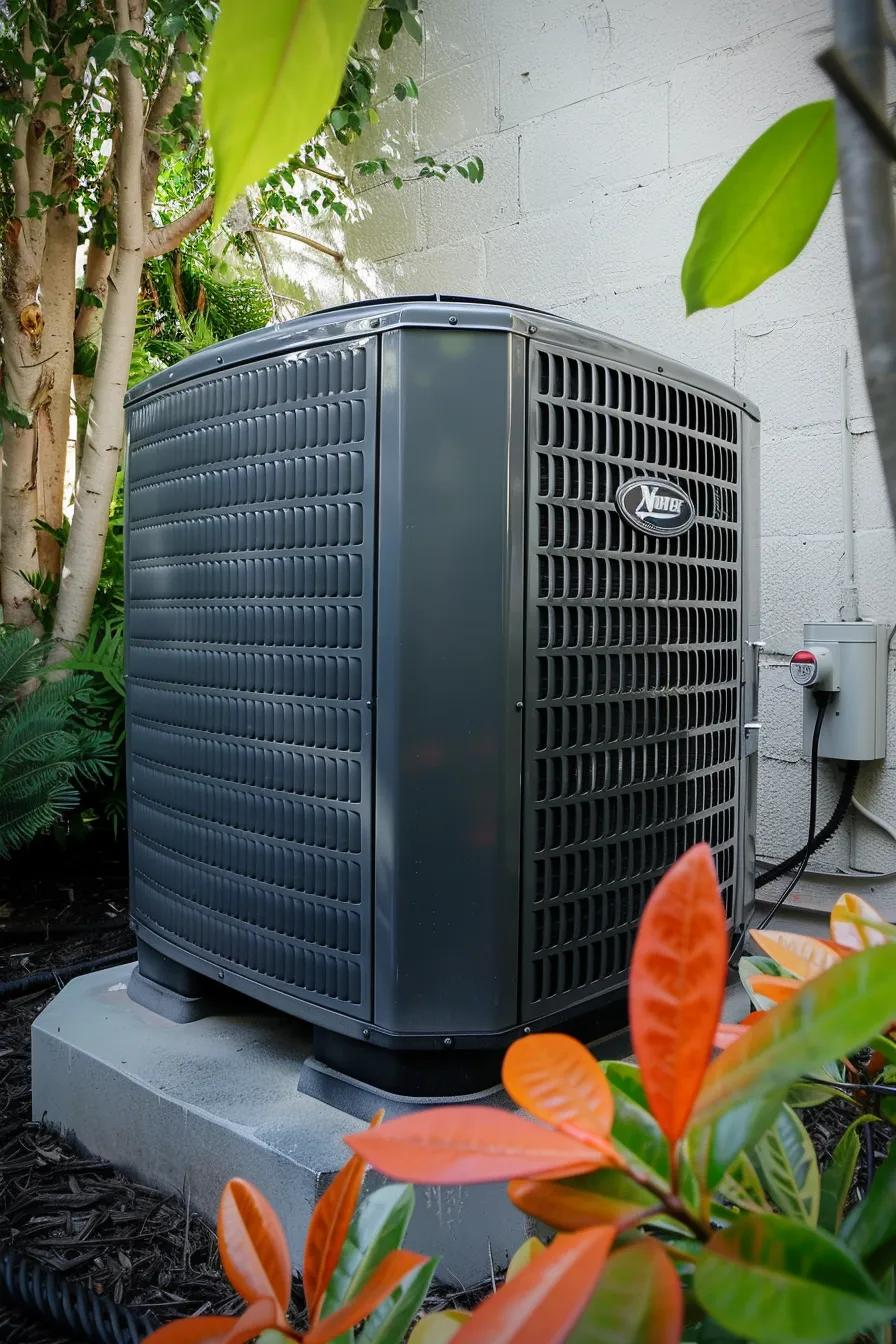
Air‑source units extract heat from the outdoor air and deliver it indoors through an indoor blower or fan coil. They usually include an outdoor compressor and one or more indoor units. Highlights include:
- **Strong efficiency**: Look for high SEER (cooling) and HSPF (heating) ratings — they indicate good seasonal performance.
- **Lower upfront cost**: Typically less expensive to install than geothermal systems, making them a popular first choice.
- **All‑season comfort**: Provide both heating and cooling in a single system.
### **How Geothermal Heat Pumps Work and Why They Excel**

Geothermal (ground‑source) systems move heat to and from the earth using buried loop fields filled with a heat‑transfer fluid. Because the ground stays at a relatively constant temperature year‑round, geothermal systems can be extremely efficient. Benefits include:
- **High efficiency**: Geothermal systems commonly achieve a coefficient of performance (COP) between 3.5 and 5.0 — producing 3.5–5 units of heating or cooling for each unit of electricity.
- **Long lifespan**: With good maintenance, ground loops and equipment can last 25 years or more.
- **Low carbon impact**: They rely on renewable ground heat, reducing your home’s carbon footprint.
## **Advantages of Mini‑Split and Other Ductless Systems**
Mini‑split (ductless) systems combine an outdoor compressor with one or more indoor air handlers. They’re a great fit for homes without ducts or for adding zoned comfort without major renovation.
### **What to Expect During Mini‑Split Installation**

Installing a mini‑split usually means mounting indoor units on walls or ceilings and running small refrigerant and electrical lines back to the outdoor unit. Many installations can be completed in a single day. Key points to consider:
- **Placement**: Position indoor units where you need the most comfort and even airflow.
- **Electrical**: Confirm your home’s electrical capacity meets the unit requirements.
- **Professional install**: Hiring a certified installer ensures proper refrigerant charge, correct sizing and code compliance — and better long‑term performance.
### **Benefits of Zoned, Ductless Heating and Cooling**
1. **Energy savings**: Heat or cool only the rooms you use to cut energy waste.
2. **Better comfort**: Independent controls for different zones keep everyone comfortable.
3. **Flexible upgrades**: Easy to add to older homes without ducts or to new rooms and additions.
Real‑world studies show ductless mini‑splits can deliver substantial energy savings when used as a primary heat source in retrofits.
## **How Air‑Source, Geothermal and Mini‑Split Systems Compare**
Choosing the right heat pump comes down to efficiency, upfront cost and how well the system matches your climate and home. Each type has clear strengths and trade‑offs.
### **Efficiency, Cost and Climate — Side‑by‑Side**
| Heat Pump Type | Efficiency (COP) | Installation Cost | Best Climate Suitability |
| --- | --- | --- | --- |
| Air Source Heat Pump | 2.5 - 4.0 | Moderate | Mild to cold climates (with cold‑climate models) |
| Geothermal Heat Pump | 3.5 - 5.0 | High | All climates |
| Mini‑Split Heat Pump | 3.0 - 4.0 | Moderate | Mild to cold climates (with cold‑climate models) |
Geothermal systems typically deliver the highest efficiency, but higher installation costs can be a barrier. Air‑source and mini‑split systems provide a strong mix of efficiency and affordability. Modern cold‑climate models can also work well in lower temperatures than older units.
### **Which System Fits Different Needs?**
- **Air‑Source**: A solid option for many homes, especially where cold‑climate models are used to handle freezing conditions.
- **Geothermal**: Best when you want the lowest operating cost and long equipment life and can accommodate the higher upfront install.
- **Mini‑Split**: Ideal for homes without ducts, for targeted zones, or for room additions and retrofits.
## **Rebates and Financing for BC Homeowners**
If you’re in British Columbia, several programs can help lower the cost of installing a heat pump. Northwind Heating can walk you through eligibility and how to claim available incentives.
### **How BC Hydro, FortisBC and CleanBC Can Help**
- **BC Hydro**: Offers rebates on qualifying high‑efficiency heat pump installations to help reduce upfront costs.
- **FortisBC**: Provides incentives for switching to more efficient heating systems, including qualifying heat pumps.
- **CleanBC**: Supports energy upgrades with rebates and programs aimed at cutting emissions and energy use.
### **Financing Options from Northwind Heating**
- **Flexible payment plans**: Spread installation costs over time to fit your budget.
- **Low‑interest options**: Available to make energy upgrades more affordable without a large upfront expense.
To learn more about financing, visit Northwind Heating's dedicated [financing page](/financing) or talk with our team about current offers.
## **Choosing and Caring for the Right Heat Pump**
Picking the right system means considering home size, efficiency ratings and the climate you live in. [Routine maintenance](/plans) is key to keeping performance high and avoiding costly repairs.
### **What to Consider When Selecting a Heat Pump**
1. **Home size**: Proper sizing is crucial — an oversized or undersized unit won’t run efficiently.
2. **Efficiency ratings**: Aim for high SEER and HSPF numbers for lower operating costs.
3. **Climate suitability**: Choose models rated for your local winter conditions — cold‑climate options extend performance in cold weather.
### **Maintenance Tips to Extend System Life**
- **Annual inspections**: Book a yearly tune‑up with a qualified technician to catch small problems early.
- **Filter care**: Clean or replace filters every 1–3 months to protect efficiency and indoor air quality.
- **Professional servicing**: Have a certified technician service the system annually for refrigerant checks, controls and electrical safety.
For tailored advice on sizing, installation or maintenance, [contact Northwind Heating](/contact) — we’ll help you find the right solution for your home.
## **Conclusion**
Knowing the differences between air‑source, geothermal and mini‑split heat pumps makes it easier to choose the right fit for your home, climate and budget. Each system can deliver improved comfort and energy savings when matched correctly and maintained well. Take advantage of available rebates and financing to lower your upfront cost, and reach out to Northwind Heating for a personalized recommendation and professional installation.
Other Blog Posts
Customer Testimonials
Go With Experience

I cannot recommend this company enough. We were horribly jerked around by Angels Heating and Cooling. Northwind took the time to answer all our questions, we're professional, timely, affordable and sent a great technician to fix our gas fireplace.
We had a duel fuel system installed by Northwind. Our experience from installation to post installation service has been amazing.
Our fireplace had not been working. This was the only company that was willing to come out. Wes the technician was great. Diagnosed the problem and fixed it. Spoke to Deanna on the phone. She has awesome customer service skills. I would use them again and highly recommend them.
A+ Customer Service! We had a minor issue and they stopped by right away. We've used them on residential and commercial buildings and they are always on top of everything. Thank you to Chris as well!
We purchased and had Nothwind install a Valor gas fireplace for us. They did an excellent job. We did have a problem with the remote control that came with the unit but were very happy with the immediate response and repair from Northwind for warranty work.
I’ve been in the construction business for many years and the Northwind HVAC crew for sure rank up there in the number one spot. Without exception, all the work was carried out swftly, with journeyman style and with a friendly contractor/client relationship.
Home
Blogs